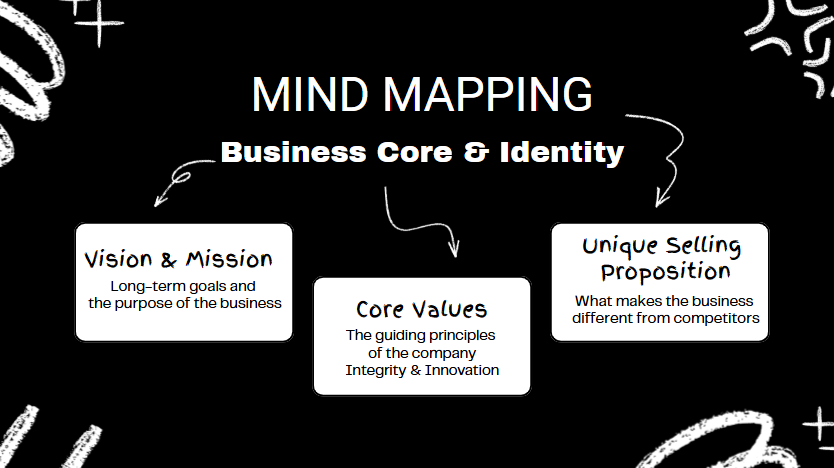
Every successful company is built on a strong business core. Whether you run a startup, a small business, or a large enterprise, understanding your business core helps you make smarter decisions, improve efficiency, and achieve long-term success.
A well-defined business core includes your company’s mission, values, products, customers, operations, and competitive advantages. It acts as the foundation that supports every business activity.
In this guide, you’ll learn everything about the business coe, why it is important, and how to build one that supports sustainable growth.
What Is a Business Core?
A business core refers to the essential elements that define and drive a business. These are the activities, resources, and values that create the greatest value for customers and distinguish a company from competitors.
The business cor is not just about selling products. It includes the company’s purpose, operations, customer relationships, and overall strategy.
A strong business core helps businesses:
- Stay focused on their goals
- Improve customer satisfaction
- Increase profitability
- Make better decisions
- Adapt to changing markets
Why Is the Business Core Important?
Every successful organization depends on a clear business coe because it provides direction.
Key Benefits
- Creates a clear business vision
- Improves team collaboration
- Helps identify priorities
- Increases operational efficiency
- Builds customer trust
- Supports long-term growth
- Encourages innovation
- Strengthens competitive advantage
Without a strong business cor, companies often struggle with inconsistent decisions, poor customer experiences, and slower growth.
Main Components of a Business Core
Every business core consists of several important elements.
| Component | Purpose |
| Mission | Defines why the business exists |
| Vision | Shows future goals |
| Core Values | Guides company culture |
| Products or Services | What the business offers |
| Customers | The target audience |
| Operations | Daily business activities |
| Marketing | Attracting and retaining customers |
| Finance | Managing revenue and expenses |
| Leadership | Making strategic decisions |
| Innovation | Improving products and services |
These components work together to build a stable and successful organization.
How to Identify Your Business Core
Finding your business cre requires understanding what makes your company valuable.
Step 1: Define Your Purpose
Ask yourself:
- Why did you start your business?
- What problem do you solve?
- Who benefits from your services?
Your purpose becomes the heart of your business.
Step 2: Understand Your Customers
Study your audience carefully.
Consider:
- Age
- Interests
- Problems
- Buying habits
- Expectations
Customer understanding strengthens every part of your business core.
Step 3: Identify Core Products or Services
Focus on products that generate the highest value.
Ask:
- Which products sell best?
- Which services solve customer problems?
- What makes your offerings unique?
Avoid spreading resources across too many unrelated activities.
Step 4: Analyze Your Strengths
Every company has unique strengths.
Examples include:
- Excellent customer support
- High-quality products
- Fast delivery
- Affordable pricing
- Skilled employees
- Strong technology
Build your business coe around these strengths.
Step 5: Remove Non-Essential Activities
Not every activity contributes to growth.
Reduce:
- Unnecessary expenses
- Low-performing products
- Inefficient processes
- Duplicate work
This keeps your business focused.
Characteristics of a Strong Business Core
Successful companies share similar characteristics.
Clear Mission
Everyone understands the company’s purpose.
Strong Leadership
Leaders communicate goals and inspire employees.
Customer Focus
Every decision improves customer satisfaction.
Efficient Operations
Processes save time and reduce costs.
Innovation
The company continuously improves products and services.
Financial Stability
Good financial management supports growth.
Business core framework showing mission
Business Core vs Business Model
Many people confuse these two concepts.
| Business Core | Business Model |
| Foundation of the business | How money is earned |
| Focuses on strengths | Focuses on revenue generation |
| Includes mission and values | Includes pricing strategy |
| Guides decision-making | Guides profitability |
| Long-term direction | Operational strategy |
Both are important but serve different purposes.
How a Strong Business Core Improves Growth
Businesses with a solid foundation usually experience faster growth.
Better Decision Making
Leaders know which opportunities align with company goals.
Higher Customer Loyalty
Customers trust businesses with consistent quality.
Employee Engagement
Clear direction motivates employees.
Easier Scaling
Expansion becomes more organized.
Improved Reputation
Consistency builds a positive brand image.
Common Mistakes Businesses Make
Avoid these common errors.
Ignoring Customer Feedback
Customers provide valuable insights for improvement.
Losing Focus
Trying to serve everyone often weakens the business core.
Poor Communication
Employees should understand company goals.
Weak Leadership
Leaders must set clear priorities.
Avoiding Innovation
Markets change constantly.
Businesses that stop improving often fall behind competitors.
Best Practices for Strengthening Your Business Core
Follow these proven strategies.
Focus on Your Strengths
Invest in what your business does best.
Set Clear Goals
Use measurable objectives.
Examples:
- Increase sales
- Improve customer retention
- Reduce operating costs
Build Strong Company Culture
Encourage teamwork, honesty, and continuous learning.
Invest in Technology
Modern tools improve productivity.
Examples include:
- CRM software
- Accounting software
- Project management platforms
- Marketing automation
Review Performance Regularly
Track:
- Revenue
- Customer satisfaction
- Employee productivity
- Marketing performance
Regular reviews help identify opportunities.
Business Core Examples
Here are simple examples.
| Business Type | Core Focus |
| Restaurant | Quality food and customer service |
| Software Company | Product innovation |
| Retail Store | Customer experience |
| Digital Marketing Agency | Online growth solutions |
| Manufacturing Company | Efficient production |
| Healthcare Clinic | Patient care |
| Educational Platform | Quality learning resources |
Every industry has a unique business core.
How Technology Supports the Business Core
Technology plays a major role in modern businesses.
Benefits include:
- Faster communication
- Better customer service
- Improved data analysis
- Process automation
- Online collaboration
- Digital marketing
- Inventory management
Technology allows businesses to operate more efficiently while staying focused on their core objectives.
Tips for Small Businesses
Small businesses can strengthen their business cre by following simple practices.
- Know your target audience.
- Deliver consistent quality.
- Build customer relationships.
- Monitor expenses carefully.
- Improve products regularly.
- Train employees.
- Stay adaptable.
- Use customer feedback.
Even small improvements can create significant long-term success.
Signs Your Business Core Needs Improvement
Watch for these warning signs.
- Declining sales
- Customer complaints
- Employee turnover
- Unclear goals
- Poor profitability
- Slow growth
- Operational inefficiencies
- Weak market position
Review your business strategy if you notice several of these issues.
Future Trends in Business Core Development
Business environments continue to evolve.
Emerging trends include:
- Artificial intelligence
- Automation
- Remote work
- Sustainable business practices
- Customer personalization
- Cloud computing
- Data-driven decision making
- Digital transformation
Businesses that embrace these trends while maintaining a strong business core are more likely to remain competitive.
Quick Checklist for Building a Strong Business Core
- Define your mission and vision.
- Identify your target customers.
- Focus on your strongest products or services.
- Improve operational efficiency.
- Build a positive company culture.
- Invest in technology.
- Track business performance.
- Encourage innovation.
- Listen to customer feedback.
- Review and refine your strategy regularly.
Frequently Asked Questions (FAQs)
What is a business core?
A business core is the essential foundation of a company, including its mission, values, products, customers, and key operations.
Why is a business core important?
It provides direction, improves decision-making, strengthens customer relationships, and supports long-term business growth.
How do I identify my business core?
Start by defining your mission, understanding your customers, analyzing your strengths, and focusing on the activities that create the most value.
Can a business core change over time?
Yes. As markets and customer needs evolve, businesses should refine their core while maintaining their primary purpose and values.
What is the difference between a business core and a business strategy?
The business core defines the foundation and identity of a company, while the business strategy explains how the company plans to achieve its goals.
Conclusion
A strong business core is the foundation of every successful company. It helps organizations remain focused, improve customer satisfaction, increase efficiency, and adapt to changing markets. By understanding your mission, knowing your customers, strengthening your operations, and continuously improving your products or services, you can build a business that is prepared for long-term success.
Whether you are launching a new venture or growing an established company, investing time in developing your business core will create a stronger, more resilient organization capable of thriving in today’s competitive marketplace.