
Introduction
One of the strongest instruments in government decisions is a memorandum to the cabinet. It is not merely a document but it is a systematic approach to conceptualizing ideas, problem solving and leading national policies. As a policy advisor, a government officer, or a researcher, it may help you to impact the making of key decisions even in the highest levels provided you know how to come out with a good memorandum.
To put it simply, a memorandum to cabinet is an explanation of a problem with the proposed solutions, and request. It should be precise, brief and supported with facts. An effective memorandum is trustworthy, time-saving and helps leaders to make intelligent decisions.
You will be taught all that you need to know, both the structure and advantages, as well as useful tips and advice of experts.
Memorandum to Cabinet: What Is It?
A Memorandum to cabinet (also known as MC) is a formal report that is drafted to senior government officials. It is used to:
Present policy proposals
Request approvals
Share critical information
Recommend actions
It assists the cabinet members to comprehend tricky matters in a brief span and make sound judgments.
The importance of a Memorandum to Cabinet.
Facilitates Improved decision-making.
An effective memo to the cabinet offers definite facts and choices. This aids the leaders to weigh the options and pick the most appropriate one.
Ensures Transparency
It demonstrates the process of decision making, which creates the trust and responsibility of people.
Improves Coordination
By sharing information in an understandable manner, the departments will be able to work together more efficiently.
Saves Time for Leaders
Cabinet members are busy. A well-structured memorandum, which comes out clearly, will make them grasp problems fast.
The Memorandum to Cabinet has several important elements.
In order to have an effective memorandum to cabinet you need to incorporate the appropriate sections.
1. Purpose
Give reasons as to why the memorandum is being written. Keep it short and direct.
2. Issue
State clearly the problem or the situation. Speak simple language because they can all understand.
3. Background
Provide context and history. Make known what has already been done.
4. Analysis
This is the most significant section. Include:
Facts and data
Risks and benefits
Possible options
5. Recommendation
Suggest the best solution. Be clear and confident.
6. Financial Implications
Describe the budget and cost implications.
7. Communication Plan
Outline the dissemination of the decision to society.
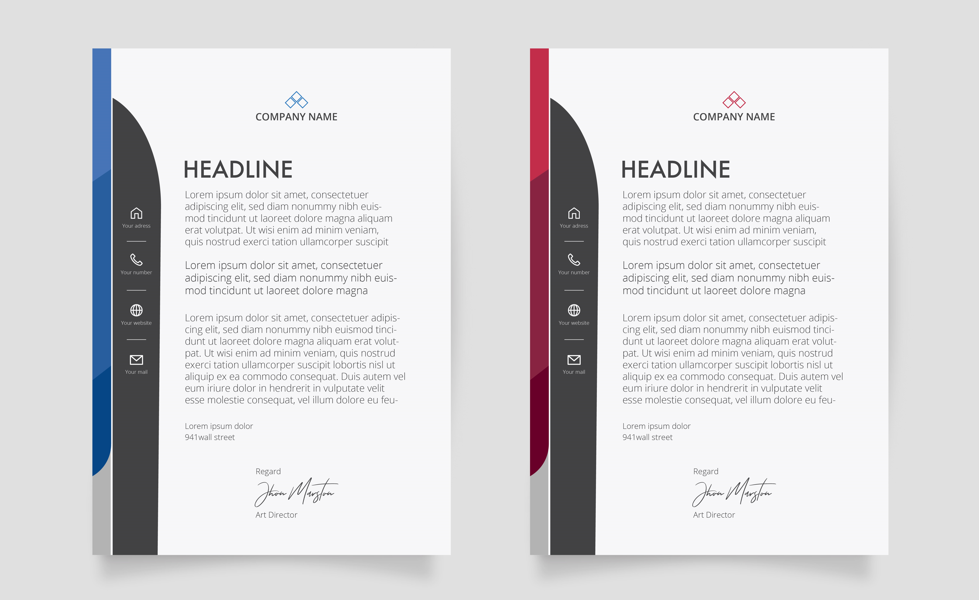
The Art of Writing an Effective Memorandum to Cabinet.
Employ Simple and Straightforward Language.
Avoid difficult words. Write in an easy to understand manner.
Be Concise
Get your memorandum to the cabinet to the point. Remove unnecessary details.
Use Evidence
Back up your thoughts through facts, research, and information.
Remain Unbiased and Professional.
Do not show personal bias. Give out-balanced information.
Follow Proper Format
Make use of headings, bullet points and short paragraphs to read it well.
SEO and Writing Best Practices of Memorandum to Cabinet.
Although it is a written text, the writing process can be made more lucid and accessible even when the document is SEO-friendly.
Use Keywords Naturally
Insert the keyword focus word, which is a memorandum to the cabinet in a natural manner. Avoid overuse.
Add LSI Keywords
Examples include:
Cabinet decision document
Policy proposal
Government memorandum
Executive briefing
Official report
Improve Readability
Use short sentences
Break content into sections
Utilize headings and subheadings.
Advantages of a Memorandum to Cabinet Well Written.
Builds Authority
A powerful memorandum is skillful and business-like.
Increases Approval Chances
Unambiguous suggestions simplify the response of leaders to say yes.
Reduces Miscommunication
All people get the same message.
Strengthens Policy Impact
An improvement in documents results in an improvement in decisions and outcomes.
Common Mistakes to Avoid
Too Much Information
Do not clog your memorandum to the cabinet with irrelevant information.
Absence of Unambiguous Recommendation.
Always tell decision-makers what you want to be done.
Poor Structure
It is difficult to read in confusing format.
Ignoring Risks
Always refer to potential risks and their management.
Writing an Effective Memorandum to Cabinet Actionable Tips.
Start with a Strong Summary
Compose a brief description of what the most important message is.
Focus on Decision Points
Point out what decisions should be made.
Use Data Wisely
Use only pertinent information to your benefit.
Review and Edit Carefully
Prove grammar, lucidity and precision and submit.
Get Feedback
Request the colleagues to go through your memo to the cabinet.
Real-World Use Cases
Policy Development
Memorandums are used by governments in introducing new policies.
Budget Planning
They assist in clarifying funding requirements and financial influence.
Crisis Management
In times of emergency, memorandums should be clear and fast.
Conclusion
A memorandum to the cabinet is not merely any formal document but it is a powerful communication tool that influences key decisions. It is effective when it is written in a clear manner; it assists the leaders to comprehend multifaceted matters, evaluation of alternatives, and action is taken.
The key to having a memorable memorandum is to adhere to the correct format, be concise in your language and prove what you are saying with evidence. Regardless of your experience in policy writing, being new or an expert, learning to master this skill would help you increase your credibility and persuasive power.
Write, plan and revise the memorandum. The findings will be self explanatory.
FAQs
1. A memorandum to cabinet What is the point of a memorandum to cabinet?
Issues are presented, solutions are suggested, and decisions requested with the help of a memorandum to the cabinet where senior government leaders are asked to make decisions.
2. What should the length of a memorandum to cabinet be?
It must be summarized yet elaborate enough to present the problem in a clear manner, often just a few pages based on the complexity.
3. Who makes a memorandum to the cabinet?
It is usually prepared by policy advisors, government officials and senior analysts.
4. What is a good memorandum to the cabinet?
Easy to understand, clear structure, good evidence and clear recommendation.
5. Is it possible to have a memorandum to cabinet in order to change the policy?
Indeed, a well-written memorial may have a powerful impact; it is capable of making persuasive points.