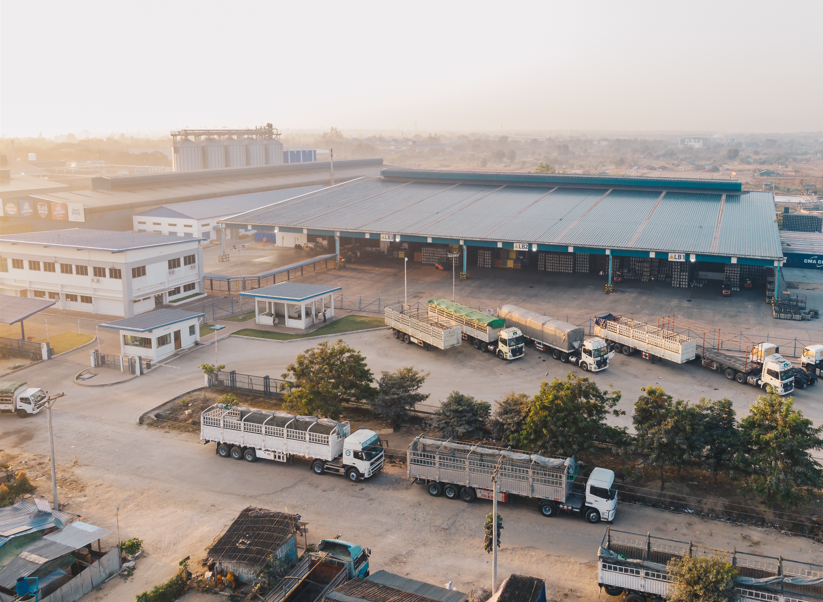
Modern businesses need to move goods faster than ever. A private freight terminal is a great solution for companies wanting control over their supply chain.
By focusing on logistics optimization, you can cut down on costs. This approach makes your operations smoother and improves coordination in your distribution network.
Improving your freight handling speed is key in the competitive US market. Moving to a dedicated facility keeps you ahead. It ensures your products reach customers on time and in great condition.
Understanding the Role of a Private Freight Terminal
A private freight terminal is key to a modern, efficient logistics network. It lets you control your space, giving you a competitive edge. This is crucial for improving supply chain efficiency and tailoring your distribution strategy.
Defining Private Freight Infrastructure
Private freight infrastructure means dedicated facilities for a single company. These are not like general warehouses. They have special equipment and systems for your products.
Having your own space means your goods are handled just right. This is key for keeping your logistics network consistent.
Distinguishing Between Public and Private Terminals
Deciding between public and private terminals depends on control. Public warehouses are flexible but you share resources. Here’s a table showing the main differences.
| Feature | Public Terminal | Private Terminal |
|---|---|---|
| Control | Limited | Full |
| Priority | Shared | Dedicated |
| Customization | Low | High |
| Cost Structure | Variable | Fixed |
Strategic Advantages for Modern Businesses
Private terminals give you priority for your cargo. This means you’re not pushed aside when demand is high. You keep your supply chain efficiency high, even in busy times.
Also, a private terminal lets you make decisions faster. You can use your own tech and security. This turns logistics into a powerful growth driver for your business.
Assessing Your Current Logistics Bottlenecks

Finding hidden problems in your logistics network is the first step to being better. Knowing where your processes fail helps you start improving. This means looking closely at your daily work to find what’s holding you back.
Identifying Delays in Your Supply Chain
Recurring delays often mean your current setup can’t handle your volume. To boost supply chain efficiency, track how long goods take to get from the maker to the buyer. If you see constant delays at certain points, it’s time to update.
These delays cost you money and can upset customers. By tracing every touchpoint, you can spot which parts of your network are most at risk.
Evaluating Warehouse and Distribution Efficiency
Good warehouse management is key to a healthy business. If your team spends too much time looking for items or dealing with mess, you’ll lose productivity. Bad layout and old tracking systems are common problems that waste resources.
Check how fast your team can pick, pack, and ship orders. A smooth process cuts down on mistakes and keeps your strategy sharp in a competitive market. Small changes can lead to big gains in output.
Determining When to Transition to Private Facilities
Choosing to move to a private freight terminal is a big step for any growing company. Think about this move when public warehousing no longer fits your needs. If you need dedicated space, a private facility is a strategic advantage.
The table below shows when it’s time to upgrade your logistics setup:
| Indicator | Public Facility | Private Facility |
|---|---|---|
| Control | Limited | Full |
| Scalability | Rigid | High |
| Cost Structure | Variable | Fixed/Predictable |
| Customization | Minimal | Extensive |
Switching to a private facility lets you tailor your operations to your needs. Taking control of your terminal means you can optimize your distribution strategy for success.
Steps to Selecting the Right Private Freight Terminal
Choosing a private freight terminal is a big decision. It needs to be in the right place, have enough space, and work well. This choice is key to your distribution network and how fast you can adapt to changes.
By picking the right freight infrastructure, your business stays quick and competitive.
Defining Your Specific Capacity Requirements
First, check how much you need now and in the future. Think about busy times and make sure the place can handle them. Scalability is important so you don’t run out of space too soon.
Evaluating Geographic Proximity to Key Markets
The terminal’s location affects your last-mile delivery efficiency. Being near your main customers cuts down on travel time and costs. Strategic placement means you can respond faster, which is crucial in today’s fast market.
Assessing Infrastructure and Equipment Capabilities
Logistics today need more than just a building. Check the power, internet, and cargo security systems. A good setup keeps your goods safe and moving fast.
Handling Specialized Cargo Needs
If you handle special items, the terminal must have the right gear. Make sure it has climate control or heavy-duty cranes if needed. Customized handling keeps your products safe and in good shape.
Evaluating Loading Dock and Yard Space
A busy yard slows things down. Look for places with enough room for trucks and docks. Efficient yard management means your freight moves without delay, saving time for drivers.
| Selection Criteria | Primary Benefit | Impact on Operations |
|---|---|---|
| Geographic Proximity | Faster Last-Mile Delivery | High |
| Infrastructure Quality | Enhanced Cargo Security | High |
| Yard Capacity | Reduced Dwell Time | Medium |
| Specialized Equipment | Product Integrity | High |
Integrating Your Supply Chain with Terminal Operations
Seamless integration is key to unlocking your freight infrastructure‘s full potential. When your systems work together with terminal activities, you create a smooth environment for growth. This alignment is crucial for staying competitive in today’s fast market.
Establishing Communication Protocols with Terminal Staff
Clear communication between your team and terminal staff is essential. Setting up these channels early helps prevent common logistics bottlenecks that can disrupt your supply chain. Regular updates keep everyone informed about daily tasks.
Good communication leads to quick problem-solving when issues pop up. Strong partnerships with your on-site team create a culture of accountability and openness. This teamwork keeps your freight handling efficient, avoiding unnecessary delays.
Aligning Inbound and Outbound Freight Schedules
Matching your inbound and outbound freight schedules is key for a smooth flow of goods. When these schedules match, you reduce idle time and make the most of your freight infrastructure. This coordination ensures your team is ready for shipments.
Predictability is crucial for efficient operations. By planning your arrival and departure times, you avoid logistics bottlenecks common in disorganized facilities. Regular scheduling improves resource use and performance.
Standardizing Documentation and Handling Procedures
Standardizing your documents is a simple yet effective way to lower operational costs. When everyone follows the same rules, errors decrease. Clear, consistent paperwork makes your processes transparent and easy to check.
Consistent freight handling procedures also cut down on admin time. By streamlining these tasks, your team can focus on important work. These standardized practices help keep costs low while growing your business.
Leveraging Technology for Real-Time Freight Visibility
Real-time visibility is now a must for any business with its own freight terminal. It gives a significant competitive advantage in today’s fast market. Digital tools turn data into insights that help make better decisions.
Implementing Warehouse Management Systems
A strong warehouse management system is key for your terminal. It automates tasks like inventory and packing, cutting down on mistakes. Efficiency soars with a central platform for daily operations.
Utilizing IoT Sensors for Cargo Tracking
IoT sensors are used for real-time tracking in many places. They give updates on cargo location, temperature, and handling. This ensures you always know where your goods are in the terminal.
Integrating Terminal Data with Your ERP Software
Connecting terminal operations to your ERP software is the last step. This creates a single view of your supply chain. It helps all departments talk smoothly. Freight visibility through digital links keeps your logistics flexible and ready for changes.
Optimizing Inventory Management and Cross-Docking

Efficient flow is key to a successful distribution strategy. Controlling your own terminal space lets you design workflows for speed and precision. This can lower costs and increase productivity.
Streamlining the Cross-Docking Process
Cross-docking services work best when goods move directly from inbound to outbound transport. This method saves time and money by avoiding long-term storage. Your team needs clear communication and synchronized scheduling for this.
- Pre-sort inbound shipments based on final destination.
- Use automated scanning to verify cargo upon arrival.
- Designate specific dock doors for high-priority outbound loads.
Reducing Dwell Time for High-Velocity Goods
High-velocity goods should never wait on a loading dock. Every minute they wait is lost revenue and customer satisfaction. Advanced warehouse management practices help fast-moving inventory leave quickly.
The table below shows how dedicated space improves efficiency over shared facilities:
| Metric | Shared Facility | Private Terminal |
|---|---|---|
| Average Dwell Time | 48 Hours | 6 Hours |
| Handling Steps | 5-7 | 2-3 |
| Throughput Speed | Moderate | High |
Improving Inventory Accuracy Through Dedicated Space
Dedicated space for your goods means better inventory control. Without space competition, you can organize your layout for your products. This strategic organization cuts down on errors and speeds up cycle counting.
A well-managed private facility boosts your distribution strategy. Focus on warehouse management and inventory control for growth. Your business will see faster turnarounds and a more responsive supply chain.
Managing Costs and Improving Delivery Speed
True logistics optimization begins with understanding your long-term costs. Moving to a private freight terminal helps stabilize your budget. It also removes the uncertainty of third-party fees.
This change lets your business grow without worrying about warehouse costs. It’s a big step towards financial stability.
Analyzing Long-Term Cost Savings vs. Public Warehousing
Public warehousing often has variable prices that can jump up during busy times. Having your own facility means fixed operational costs that are easier to predict. This makes financial planning much easier for growing companies.
The initial cost of private infrastructure is worth it for the long-term savings. You avoid high costs for space during busy times. This gives you a big advantage in the US market.
Reducing Last-Mile Delivery Times
In today’s fast-paced world, speed is key. Using cross-docking services in your private terminal cuts down on delivery times. This makes your last-mile delivery faster for customers.
With real-time tracking, you always know where your cargo is. This lets you prioritize shipments based on urgency. It keeps your customers happy and your reputation strong.
Minimizing Handling Fees and Administrative Overhead
Handling products costs your business each time. Streamlining your processes reduces these costs. Better inventory control means fewer mistakes and less time on paperwork.
Automating documents and standardizing handling saves hours. This reduces the need for extra staff and lowers overhead. Here’s a table showing the main differences between public and private logistics.
| Feature | Public Warehousing | Private Terminal |
|---|---|---|
| Cost Structure | Variable/Fluctuating | Fixed/Predictable |
| Control | Limited | Full Oversight |
| Handling Fees | High per unit | Minimized |
| Delivery Speed | Standard | Optimized |
Ensuring Compliance and Security in Private Facilities

Protecting your logistics assets starts with strict compliance and security. Managing your own terminal gives you control but also responsibility for safety standards. By focusing on these areas, you can cut operational costs and avoid fines and insurance claims.
Maintaining Safety Standards and OSHA Compliance
Following OSHA guidelines is essential for any facility manager. Make sure all staff get proper training in safe freight handling to prevent injuries. Regular audits help spot hazards early, keeping your team safe and productive.
Implementing Robust Security Protocols for High-Value Cargo
Protecting valuable goods needs a strong security plan. Use real-time tracking to watch shipments from start to finish. This keeps thieves away and ensures your inventory stays safe.
Managing Environmental and Regulatory Requirements
Modern logistics must consider environmental impact and local laws. Good inventory control systems cut waste and follow legal storage rules. This keeps your brand’s reputation strong and your business sustainable.
| Focus Area | Primary Goal | Key Benefit |
|---|---|---|
| OSHA Compliance | Reduce workplace injuries | Lower insurance premiums |
| Cargo Security | Prevent inventory theft | Protect high-value assets |
| Environmental Rules | Minimize ecological impact | Avoid regulatory fines |
Conclusion
Switching to a private freight terminal is a big step towards success. It helps you avoid common problems found in public facilities. You get the power to grow your business across the United States.
Putting a focus on freight visibility changes how you handle your inventory. With real-time data, your team can make better choices. This saves time and money, and you can track goods better.
Keeping cargo safe is crucial for companies with valuable items. A private facility offers the control needed to protect your goods. This builds trust with your clients and partners.
Improving your last-mile delivery strategy gives you an edge in a competitive market. You can meet customer needs faster and more reliably. Take a close look at your current setup to see if a private terminal fits your growth plans.
Get in touch with logistics experts to talk about your needs. This move can make your supply chain stronger and more efficient. We’re excited to see your business succeed with these new logistics tools.
FAQ
What is a private freight terminal, and how can it transform my business logistics?
A private freight terminal is a place where your company handles goods alone. It’s different from public warehousing, where you share space. With a private terminal, you control your supply chain fully.This control helps cut costs, speed up handling, and make your operations more stable. It’s especially helpful in the competitive US market.
How do I know if my company is ready to transition from public warehousing to a private facility?
Transition time comes when you face constant logistics problems. Issues like delays, poor management by others, or high fees are signs. If your business is growing, you might need a dedicated space.Check if your current setup is efficient and if you have enough volume. A private terminal could save you money and improve inventory accuracy.
What are the primary strategic advantages of owning or leasing private freight infrastructure?
Having your own terminal means you can focus on your cargo first. It also lets you set up special security for valuable items. Plus, you can follow strict safety rules.This control ensures your cargo is safe and your supply chain is strong.
What infrastructure features should I prioritize when selecting a private terminal?
Look for a terminal close to your main markets to cut down on delivery times. Important features include loading docks, yard space, and equipment for special cargo. Make sure it fits your needs for smooth goods flow.
How can I use technology to gain real-time freight visibility within my terminal?
Modern terminals use advanced systems and sensors to track cargo. By linking this data to your ERP software, like SAP or Oracle, you get a clear view of your operation. This lets your team make better decisions and handle freight more efficiently.
What is cross-docking, and how does it improve inventory management?
Cross-docking means goods go straight from one truck to another without storage. In a private terminal, this process is faster. It makes your inventory more accurate and gets products to customers quicker.
How does a private terminal help in managing administrative overhead and logistics costs?
Standardizing procedures in a private terminal cuts down on paperwork and costs. Unlike public facilities with changing fees, a private terminal stabilizes your expenses. Better handling and delivery efficiency also save money in the long run.
What steps should I take to ensure environmental and regulatory compliance at my facility?
Running a private terminal means following strict environmental and safety rules. Make sure your staff knows and follows all guidelines every day. This keeps your assets safe and avoids fines and insurance claims.