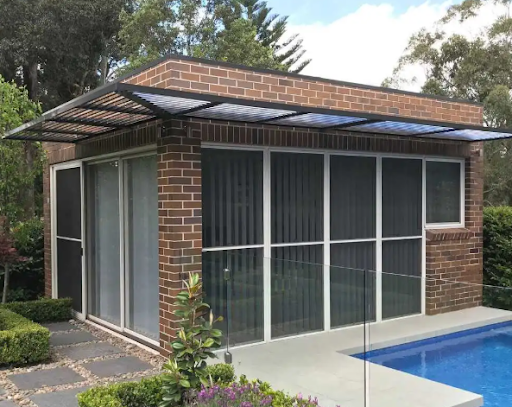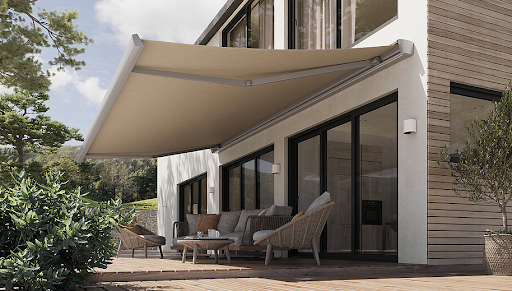
Anyone who has gone through a Sydney summer, trying still to enjoy the backyard, knows this problem well: either the sun is too harsh for sitting outside, or suddenly a downpour ruins the whole afternoon. This is exactly the point where outdoor awnings Sydney solutions become useful. Homes get, because of them, a way to actually use the outdoor areas instead of only looking at these through a window. Between scorching heat and sudden rain, Sydney’s weather keeps swinging, and awnings help in bridging that gap, creating a shaded, covered spot that works no matter what is happening above.
What Do Awnings Actually Do?
At the core of it, awnings are simply coverings, attached to a roofline or wall, stretching out over a patio, door, window, or deck. Simple is the idea behind it: block the sun, cut the heat down, and create some shelter outside. Many households, in the end, use these to stretch their living space further, so a corner of the yard that once sat empty turns into somewhere people actually want to spend time.
Why Does Sydney’s Weather Change the Equation?
Long and intense is how Sydney summers get, with UV levels wearing down materials fast, and then rain shows up too, without much warning most times. So two very different problems need to be handled at once by whatever gets installed outside, sun damage on one side, water on the other. Structures that get built keeping this in mind tend to hold up much better compared to ones made for gentler climates. Wear such as mould, rust, or fading happens a lot quicker when materials were not chosen with a humid or coastal environment in mind.
Do Awnings Actually Lower Energy Bills?
This part tends to surprise people. Not only does an awning shade a patio, it also stops a good chunk of heat from reaching windows and walls in the first place. When less heat gets in, less work is left for the air conditioner, and this can genuinely bring the power bills down through the hotter months. Without the AC being cranked up constantly, rooms with proper shading also just feel cooler.
What Are the Common Types?
Every awning does not look or work the same. A few examples of this:
- Fixed ones, staying put, giving steady and reliable shade
- Retractable versions, able to be pulled back or extended depending on weather
- Folding arm styles, suiting bigger patio areas
- Window awnings, made specifically to cover individual windows
Choosing between these really comes down to how much space needs to be covered, and whether flexibility matters more than simplicity in a particular case.
Does the Material Really Matter That Much?
More than people expect, it actually does. A few common options are canvas, which looks great though needs more upkeep, acrylic fabric that handles UV rays without fading much, PVC or polyester blends built for resisting water, and frames of aluminium or steel that add strength. Given how harsh the sun in Sydney can get, choosing something UV stable and weather resistant simply makes sense in the long run.
Can an Awning Add Privacy Too?
Beyond blocking just the sun, many awning setups double up as a privacy screen too. An angled install or side panels can block sightlines coming from next door, and this makes a big difference in tighter suburban blocks where backyards sit close to one another. A small detail, yes, but it changes quite a lot how a space feels when actually sitting in it.
How Long Should One Last?
A lot depends on the material used, how the installation was done, and whether anyone bothers maintaining it afterward. Made from decent materials, a well built awning can easily last more than ten years. Cleaning it now and then, checking on the moving parts, fixing small issues before these turn into bigger ones, all this adds up over time. Leave it ignored completely, exposed constantly to sun and rain, and it will wear out sooner than it really should.
Is It Actually Worth Installing One?
For households using their outdoor space often, whether that means dinners outside, weekend get togethers, or simply sitting with a coffee some morning, a real problem gets solved by an awning. Furniture gets protected from sun damage, heat gets cut down, and the space stays usable even when there is drizzle outside. Once the energy savings and extra usable space over the years get added up, it starts looking like a pretty sensible addition rather than just an extra.
Final Thoughts
Outdoor spaces only get used when these are actually comfortable, and that comes down to having the right shelter and shade in place. Proving useful for exactly this reason, outdoor awnings Sydney options keep handling the sun, the surprise rain, and everything in between, giving homes across the region a space that works all year round, not just on the odd mild day.