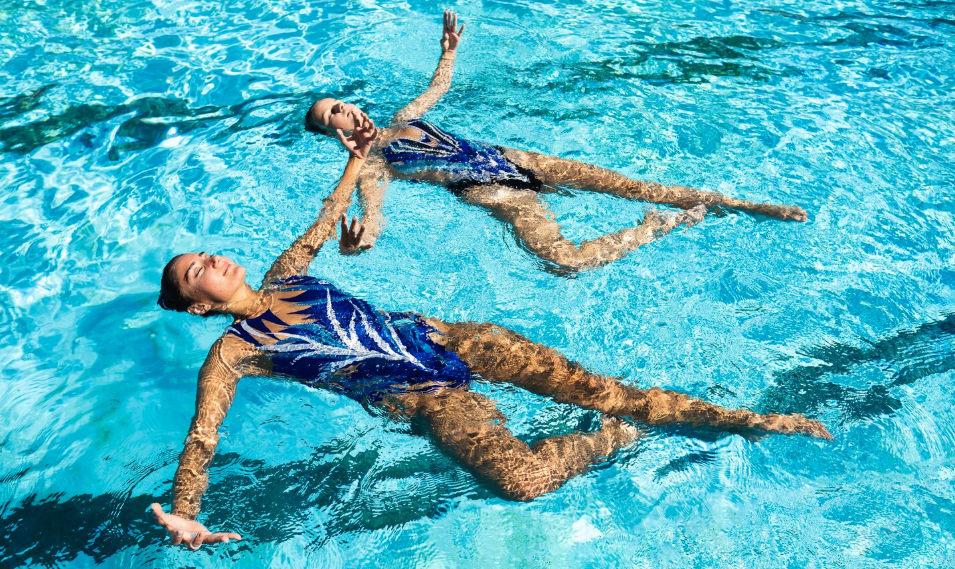
Backstroke is one of the most unique swimming styles because swimmers move on their back while maintaining speed and balance in the water. Learning the correct backstroke technique helps swimmers improve speed, reduce fatigue, and avoid common mistakes during practice or competition.
Whether you are a beginner swimmer or someone looking to improve lap times, mastering proper body alignment, kicking rhythm, and arm coordination can completely transform your swimming performance.
Why Correct Backstroke Technique Matters
Swimming backstroke may appear simple, but it requires perfect coordination between arms, legs, breathing, and body rotation. Proper technique allows swimmers to glide smoothly through the water with less resistance.
Benefits of Proper Backstroke Form
Better Speed and Efficiency
Good technique helps swimmers move faster while using less energy. Efficient strokes reduce drag and increase momentum.
Improved Body Balance
Correct positioning keeps the hips and legs near the water surface, preventing unnecessary sinking.
Reduced Injury Risk
Proper arm rotation and shoulder movement minimize strain on muscles and joints.
Stronger Endurance
When movements are coordinated correctly, swimmers can maintain longer swimming sessions without exhaustion correct backstroke technique.
Understanding the Basics of Backstroke
Before learning advanced drills, swimmers should understand the foundation of backstroke mechanics.
Body Position in Backstroke
The body should remain flat and horizontal on the water surface.
Key Points for Body Alignment
- Keep the head still and relaxed
- Eyes should look upward
- Hips must stay near the surface
- Maintain a straight spine
- Avoid excessive bending at the waist
Swimmers who keep their bodies streamlined create less water resistance and swim more efficiently.
Correct Backstroke Arm Technique
Arm movement is one of the most important parts of backstroke swimming.
The Backstroke Arm Cycle
Each arm performs alternating circular movements.
Entry Phase
The hand enters the water above the shoulder line with the little finger entering first.
Catch Phase
After entering the water, the arm bends slightly to catch water effectively.
Pull Phase
The swimmer pulls water toward the hips using powerful shoulder and back muscles.
Recovery Phase
The arm exits the water straight and rotates smoothly back overhead.
Common Arm Mistakes
Crossing Over the Center
Hands should not cross over the head’s centerline because it affects balance.
Bent Recovery Arms
Recovery arms should stay mostly straight for smoother rotation.
Weak Pulling Motion
A shallow underwater pull reduces propulsion and slows speed.
Perfecting the Backstroke Kick
The flutter kick is responsible for maintaining stability and speed.
Proper Flutter Kick Technique
Swimmers should generate kicks from the hips rather than the knees.
Important Kick Tips
- Keep ankles relaxed
- Use quick, small kicks
- Avoid splashing excessively
- Maintain consistent rhythm
Why Hip-Driven Kicks Matter
Hip-generated kicks produce stronger propulsion and better body balance compared to knee-driven kicks.
Breathing in Backstroke Swimming
One advantage of backstroke is easier breathing because the face remains above water.
Best Breathing Strategy
Although breathing feels natural in backstroke, controlled breathing still improves performance.
Recommended Breathing Pattern
- Inhale during one arm cycle
- Exhale during the next cycle
- Keep breathing rhythmic and calm
Controlled breathing helps swimmers maintain endurance and focus.
Body Rotation in Correct Backstroke Technique
Many beginners forget the importance of body rotation.
Why Rotation is Important
Rotating the shoulders and hips helps correct backstroke technique swimmers generate stronger strokes and reduce shoulder strain.
Ideal Rotation Range
Swimmers should rotate approximately 30 degrees from side to side.
Benefits of Proper Rotation
- Increased pulling power
- Better arm recovery
- Reduced resistance
- Improved shoulder mobilit
Head Position and Balance
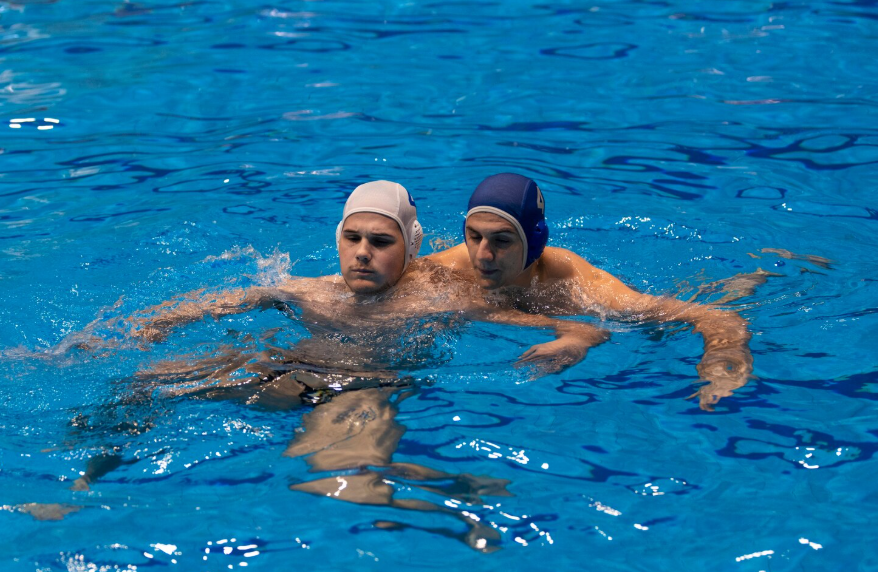
Head placement directly affects the entire body position.
Correct Head Alignment
The head should remain still with ears partially underwater.
Common Head Position Errors
- Lifting the head too high
- Looking backward excessively
- Moving the head side to side
Incorrect head movement often causes hips and legs to sink.
Timing and Coordination
Good swimmers combine arm movements, kicks, and rotation into one smooth rhythm.
Building Proper Coordination
Arm and Kick Timing
Most swimmers use a six-beat kick pattern, meaning six kicks for every complete arm cycle.
Maintaining Rhythm
Smooth timing prevents wasted energy and improves swimming efficiency.
Backstroke Starts and Push-Offs
Competitive backstroke starts require explosive power and precision.
Correct Backstroke Start Technique
Swimmers hold the wall grips correct backstroke technique while positioning feet firmly against the wall.
Key Start Tips
- Bend knees deeply
- Push explosively backward
- Arch the body during flight
- Enter water in a streamlined position
Streamline Position
After entering the water, swimmers should hold a tight streamline before beginning stroke
Mastering Backstroke Turns
Backstroke flip turns are challenging for many swimmers.
Steps for a Proper Flip Turn
Count Your Strokes
Swimmers should know how many strokes they need before reaching the wall.
Rotate Quickly
Turn onto the stomach before initiating the flip.
Push Off Strongly
Push from the wall in streamline position with strong dolphin kicks underwater.
Proper turns save valuable seconds during races.
Common Backstroke Mistakes
Even experienced swimmers develop technical errors over time.
Frequent Technique Problems
| Mistake | Effect |
| Sinking hips | Increased drag |
| Wide arm entry | Poor balance |
| Overbending knees | Weak kicking |
| Lack of rotation | Shoulder fatigue |
| Fast uncontrolled strokes | Reduced efficiency |
Correcting these mistakes significantly improves swimming performance.
Drills to Improve Correct Backstroke Technique
Swimming drills help develop muscle memory and coordination.
Single Arm Backstroke Drill
This drill improves arm positioning and balance.
How to Perform
- Keep one arm at the side
- Swim using only one arm
- Focus on rotation and pull technique
Kickboard Backstroke Drill
This drill strengthens flutter kicks.
Benefits
- Improves ankle flexibility
- Builds leg endurance
- Enhances body balance
Rotation Drill
Swimmers pause briefly on each side to improve body rotation awareness.
Dryland Exercises for Backstroke Swimmers
Strength training outside the pool enhances swimming performance.
Best Exercises for Backstroke
Shoulder Mobility Exercises
Improves flexibility and prevents injuries.
Core Strength Training
Strong core muscles stabilize the body in water.
Leg Conditioning
Squats and lunges improve kicking power.
Mental Focus During Backstroke
Swimming on the back can feel disorienting, correct backstroke technique especially for beginners.
Staying Focused in the Pool
Use Ceiling References
Many swimmers track ceiling patterns or flags to maintain direction.
Build Confidence
Regular practice improves spatial awareness and comfort.
Advanced Backstroke Tips
Once swimmers master basics, advanced adjustments can improve race performance.
Improve Stroke Rate
Increasing stroke tempo carefully can improve speed without sacrificing form.
Enhance Underwater Kicking
Powerful underwater dolphin kicks after starts and turns provide a competitive advantage.
Reduce Drag
Small improvements in body alignment can dramatically increase efficiency.
Backstroke Technique for Beginners
Beginners should focus on mastering fundamentals before increasing speed.
Beginner Priorities
- Learn floating balance
- Develop rhythmic kicking
- Practice smooth arm cycles
- Stay relaxed in the water
Consistency matters more than speed during early training stages.
Training Routine for Better Backstroke
A structured training plan correct backstroke technique accelerates improvement.
Sample Practice Routine
Warm-Up
- 200m easy swim
- 100m kicking drill
Technique Work
- Single-arm drills
- Rotation exercises
- Streamline practice
Main Set
- 6 × 50m backstroke moderate pace
- Focus on smooth technique
Cool Down
- Easy freestyle swim
- Stretching exercises
Nutrition and Recovery for Swimmers
Performance depends on recovery as much as practice.
Important Recovery Habits
Stay Hydrated
Hydration supports muscle performance and endurance.
Eat Balanced Meals
Protein and carbohydrates help muscle recovery after swimming sessions.
Sleep Properly
Quality sleep improves athletic performance and muscle repair.
Competitive Backstroke Strategy
Race strategy plays a major role in performance.
Race-Day Tips
Controlled Start
Avoid sprinting too hard early in the race.
Strong Turns
Efficient turns help maintain momentum.
Finish Aggressively
Accelerate during the final meters without sacrificing form.
Conclusion
Learning the correct backstroke technique takes patience, practice, and attention to detail. Proper body alignment, powerful kicks, smooth arm rotation, and rhythmic breathing all contribute to faster and more efficient swimming.
Whether you swim recreationally or competitively, focusing on technique improvement will increase endurance, reduce fatigue, and help you become a more confident correct backstroke technique swimmer in the pool.