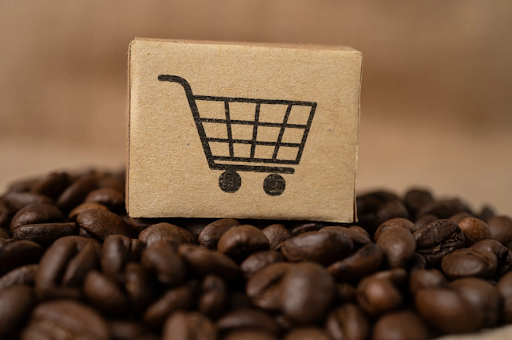
To purchase coffee online, put simply, means placing an order for roasted beans or ground coffee via a website, instead of stepping into a shop, after which it is shipped straight to the doorstep. It appears a rather ordinary thing, yet this change has altered, for a great many people, the manner in which coffee gets purchased on an everyday basis.
Instead of settling for whatever happens to occupy the nearby supermarket shelf, buyers today can access an online coffee shop offering roasters, blends and origins gathered from numerous corners of the world, generally accompanied by far richer detail about what exactly is being consumed. Most individuals searching this term are attempting to grasp how such platforms operate, what sets them apart, and whether making the switch is genuinely worth the trouble.
What Makes an Online Coffee Shop Different
A normal coffee shop has its limits, shelf space and how many people walk through the door. For a digital shop, none of this applies. This is, in fact, the main difference. Since there is no need to stock a physical location, sellers are able to give much wider variety: single origin beans, small batch blends, flavoured options, brewing tools, the kind of things a nearby store simply has no room to keep.
Also, on most of these platforms, there is more depth given about each product than what a store label would normally show. Roast level, place of origin, tasting notes, correct way to brew, all of this is usually included. Such details matter quite a lot for those who are still finding their way around specialty coffee.
Does Coffee Stay Fresh When Ordered Online
This, probably, is the question asked the most. And it makes sense, since there is no way to smell or check the bag before the purchase is made.
Freshness, in the end, depends mostly on how the coffee got roasted and packed. A few points separate the better sellers from the rest of them:
- Roasting done in small batches, not sitting on big stock for weeks together
- Packaging with a one-way valve, so the gas can escape while air stays out
- Shipping done quickly right after roasting, instead of storing orders in a warehouse
- The actual roast date printed on the bag, not some vague expiry line
Where sellers actually follow such practices, coffee bought online can turn out fresher than what has been sitting for who-knows-how-long on a store shelf.
Why Are So Many People Buying Coffee Online Now
Much of it comes down to convenience, plain and simple. Orders can be placed at midnight if one wishes, with no need to plan around store timings. Variety matters too, since many regional or small batch roasters are simply not found anywhere close to where most people live.
Comparing prices also becomes easier, along with reading what other buyers already thought, before committing to a bag. Such information is not always there while standing in a store aisle, trying to pick between two brands.
Can the Quality Actually Be Trusted
This worry is a fair one to have, more so for someone trying this way of buying coffee for the first time. Platforms worth trusting are usually the ones open about where their beans come from and how the roasting is done.
A few things are worth checking before making a purchase:
- Origin and roast date shown clearly, not tucked away in fine print
- Some kind of explanation about sourcing, direct trade, certifications, and such
- Packaging that genuinely protects the coffee from light and moisture
- Reviews that keep mentioning good taste and freshness consistently, not just praise for one lucky batch
None of this promises perfection, of course, but it does give buyers something more solid to rely on than pure guesswork.
Is It More Costly Than Buying In a Store
At times, yes, it can be. Shipping brings its own cost, and specialty coffee already sits at a higher price point compared to what is grabbed off a supermarket shelf. Even so, plenty of buyers feel this trade-off is worth taking once the variety and the extra information about what is actually being drunk gets factored in.
Looking at a few platforms side by side before buying usually gives a clearer picture than simply comparing price tags alone.
Sustainability Is Becoming Part of the Conversation
More buyers, these days, care about this than before. Ethical sourcing, fair trade certifications, sustainable farming practices, all of these show up more often now on product pages, and this is not by accident. People want to know where their coffee is coming from and how it was grown, not only how it tastes in the cup.
Final Thoughts
In the end, an online coffee shop gives buyers far more choice and information than what most physical stores are able to. Between the freshness practices followed, the sourcing details shared, and the sheer variety on offer, it becomes easy to understand why more people are choosing to buy coffee this way, instead of settling for whatever sits on the shelf nearby.