Introduction
The job of a plastic processing operator is more significant than ever in the modern industrialized world that is rapidly moving. Plastic products have become ubiquitous in their packaging, in automotive parts, and other items, and the skilled specialists are required to create them effectively and safely.
Being a plastic processing operator may be a brilliant idea in case you want to have a stable, high paid, and practical job. It will be a guide to it all; what the job is, what skills are required, and the benefits, and how to get started.
The definition of a plastic processing operator?
As a trained employee, a plastic processing operator operates a machine that molds plastic materials into useful products. These machines involve injection molding machines, extrusion machines and blow molding machines.
The operator ensures that:
Machines run smoothly
Products are of quality.
Targets of production are met.
They simply put it in plain words that they convert raw plastic to finished products such as bottles, containers, and pipes among others.
The major duties of a Plastic Processing Operator.
Machine Setup and Operation
The operator in the plastic processing feeds the set-up of the machines prior to production. This also involves controlling of temperature, pressure, and speed.
Monitoring Production
The operator maintains a watch on the performance of machines and quality of products in the production process to prevent defects.
Quality Control
They also check products to confirm that they are of standard quality. Any problem should be resolved fast.
Maintaining and Troubleshooting.
Basic maintenance and correction of minor issues are done by the operators so as to avoid downtimes.
Safety Compliance
Safety is a top priority. Plastic operator processing is a profession that has heavy safety precautions.
Different forms of Plastic Processing Methods.
Injection Molding
This is applied in making complicated shapes such as containers, toys and car parts.
Blow Molding
It is used in the manufacture of hollow objects like bottles and tanks.
Extrusion
Long products such as pipes, sheets and cables are produced through this process.
A professional plastic processing employee can be trained in a variety of ways to expand his job opportunities.

Abilities to be a Plastic Processing Operator.
Technical Skills
It is necessary to know the functionality of machines. Simple mechanical understanding comes in handy.
Attention to Detail
Minor mistakes may influence quality of products. Operators must stay focused.
Problem-Solving Ability
Defects can be halted or generated by machines. Problems have to be addressed promptly.
Physical Stamina
The work can include working long hours and dealing with machinery.
Communication Skills
Operators deal with teams hence effective communication is significant.
Educational Requirements
Being a plastic processing operator does not necessarily require a college degree. Most employers require:
Diploma or equivalent- High school.
Technical training/ certification.
On-the-job training
There are also vocational institutes that have short-term courses in plastic technology and it can increase your opportunities.
Reasons why it is a good career to be a Plastic Processing Operator.
High Demand
Plastic products have become dependable in industries throughout the world, hence the need to have qualified operators.
Job Stability
The manufacturing jobs are a necessity and therefore this position is less vulnerable to others.
Good Salary Potential
A plastic processing operator can be able to make a competitive salary with experience.
Career Growth
You can move into roles like:
Supervisor
Quality inspector
Production manager
Advantages of recruiting Proficient Processing Operators on Plastic.
To companies, a plastic processing operator is a highly beneficial person to hire:
Improved Efficiency
Skilled operators save machine time and productivity.
Better Product Quality
Talented employees guarantee the reduction of malfunctions and the increasing level of satisfaction.
Cost Savings
Minimal wastage and reduced mistakes entail reduced production costs.
Workplace Safety
Safety measures are observed by the trained operators minimizing accidents.
Some of the steps to follow to become a plastic processing operator are explained here.
Step 1: Basic Education to completion.
Complete your high school or its equivalent.
Step 2: Get Technical Training
Register in a short course in plastic processing or machine operating.
Step 3: Acquisition of Hands On Experience.
Get internship or entry level employment in manufacturing facilities.
Step 4: Master a variety of machines.
The greater the number of machines that you are able to work with, the better plastic processing operator you are.
Step 5: Keep Improving Skills
Keep pace with technological changes and developments in the industry.
Typical Problems of this Profession.
Machine Breakdowns
Unforeseen problems have the power to halt the production and put strain.
Long Working Hours
There are factories that operate 24/7 which would necessitate shift work.
Repetitive Tasks
The position may be monotonous, and it is the details that make it intriguing.
In spite of these hurdles, this is a good career that many people get satisfaction working in because it is stable and growing.
How to be a Successful Plastic Processing Operator.
Stay Focused on Quality
Always examine products to be able to uphold standards.
Learn Continuously
Technology changes fast. Keep upgrading your skills.
Follow Safety Rules
It is important not to disregard safety rules because the latter safeguards you and your crew.
Build Teamwork Skills
Teamwork enhances productivity and work environment.
Be Reliable
Employers consider consistent and reliable operators.
The Industry Companies that employ Plastic Processing Operators.
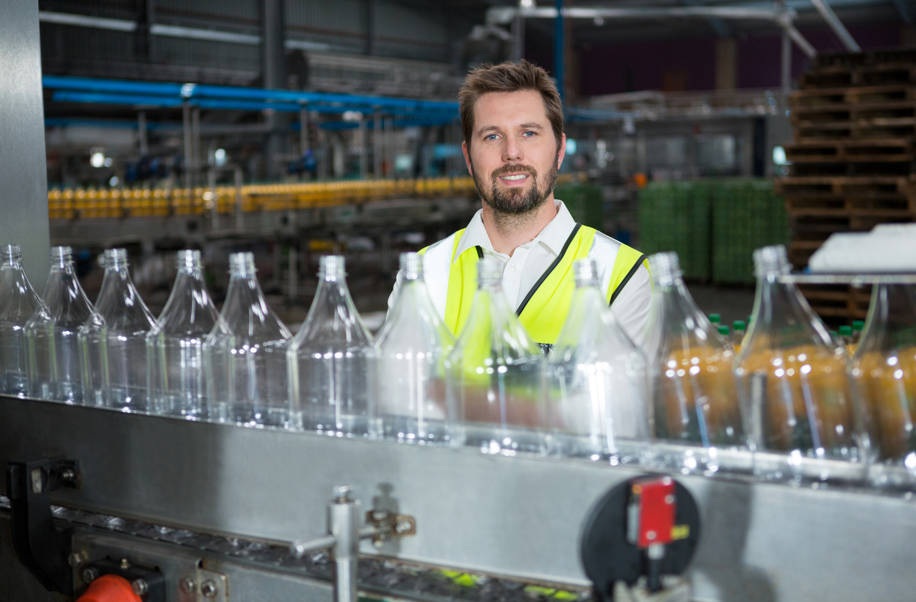
A plastic processing operator has a variety of industries to work in such as:
Packaging
Automotive
Construction
Electronics
Healthcare
Such a variety of choices makes the profession versatile and future-proof.
Future Outlook of Plastic Processing Operator Job.
The plastic product demand is still increasing in the world. Meanwhile, the industries are shifting to recycled and environmentally friendly plastics.
This implies that there will be highly-trained plastic processing operators, who know about the latest techniques, and will be much-needed in the future.
The automation is growing, and machines still require human skills in order to be controlled and maintained.
Conclusion
Plastic processing operator is a good and practical career. It provides career security, high earnings, and career advancement without having to pursue an extended period of study.
It is possible to create a powerful future in the area with the correct skills, training, and dedication. This is a position to consider whether you are starting your career or seeking a new one.
FAQs
What is a plastic processing operator?
Plastic processing operator operates machines that process raw plastic into finished products at the quality and safety level.
Is plastic processing operator a good job?
Admittedly, it provides stable jobs, high potential earnings, and career advancement in various industries.
What does an operator of plastic processing require?
The main skills are technical knowledge, attention to details, problem solving, and teamwork.
And would I require a degree to be a plastic processing operator?
No, the majority of jobs do not demand a university degree as they need simple education and technical training.