 11
11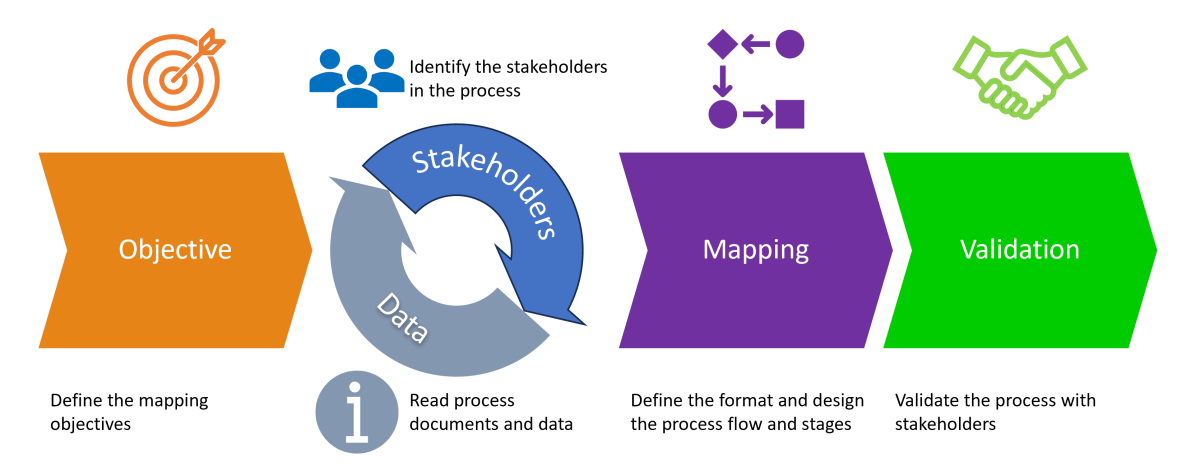
Eo Pis turned into a mandatory idea of contemporary digital strategy, which helps individuals and companies to be more efficient, more clear, and more successful in the long run. As a beginner or an experienced professional, it is possible that knowledge of eo pis can dramatically help the process of decision-making and workflow efficiency.
Several industries today are dependent on eo pis to streamline processes and enhance performance, as well as attain the growth in a sustainable manner. This manual interprets eo pis in easy to understand language which illustrates actionable steps, plans and tools so that you can effectively apply eo pis in real life.
Eo pis is an organized strategy that enhances tasks or systems organization, planning, and execution. It concentrates on the clarity, efficiency, and measurement progress, which simplifies any complicated process to manage and increase over the years. This renders eo pis worthy of personal productivity as well as business operations.
The reason behind understanding eo is is that it offers a repeatable structure of unchanging outcomes. Eo pis instead asks us to make calculated moves, rather than make choices out of the blue. This leads to improved performance by the user without requiring many wasted resources or efforts.
Enhanced efficiency in tasks and projects is one of the greatest advantages of eo is. Planning the steps and matching the goals with the actions, teams decrease confusion and redundancy. It results in the shortening of time and quality outputs in departments or individuals.
Scalability and flexibility are another advantage, eo pis structures can be increased with the increase in needs, so organizations can keep their structures organized even in the times of rapid change. Since eo is promotes checking and refining, it does not compromise on flexibility and innovation to ensure long-term performance.
Eo pis is generally a systematic cycle which starts with planning and defining of goals. Before developing a clear roadmap, the users define set goals, limitations, and the resources at their disposal. This is a step that helps in keeping the organization in line with what is desired and the actions required to obtain it.
The second step is implementation and analysis. Planned actions are followed and measures to evaluate progress are also performed using measurable indicators. Feedback collected at this phase is used to effect changes to ensure eo is is continually made effective and reliable.
The typical fallacy in eo is is the false complexification. Most users end up adding unnecessary variables or steps, and thus they complicate systems to use. Making the work as simple as possible and concentrating on the most important actions will contribute to the prevention of confusion and focus on the participants.
The other common problem is the absence of measurement or feedback. The eo is will not be able to develop or advance without monitoring progress. The definition of metrics and review points is a sure way to keep the learning and optimization process on track and make sure that systems can respond promptly to the needs or challenges.
More insights → County Integrated Development Plan
The one is a strong power of combining eo is with specific goals. When the goals are specific and attainable, processes are specific and achievable. This helps to avoid drift and keep all activities in line with meaningful results that lead to progress.
The other approach is continued innovation via feedback. Periodic reviews assist in establishing areas of inefficiency or areas of improvement. With time, such changes reinforce eo is performance, which guarantees a long-term effectiveness and flexibility in changing environments.
Implementing eo is is supported by different tools that help to ease planning, tracking and collaboration. Project management tools, workflow automation and analytics dashboards can be used to visualize progress and keep track of it. Such technologies increase team transparency and accountability.
Eo pis also can be enhanced with the help of educational tools. Case studies, training material and guides are practical examples and frameworks. Training on the methodologies also makes eo is practices based on known principles and best practices.
Development of new technologies is broadening capabilities of eo is in the industries. More accurate planning and assessment can be achieved with the help of automation, analytics, as well as intelligent systems. These tools make eo is more effective in a complex environment as it is more accurate, faster, and flexible.
Integration is also another trend across platforms and workflows. Organizations are joining systems to form coherent eo is structures that cut across departments and functions. This integrated approach enhances co-ordination, understanding as well as performance with consideration of the long term strategic objectives.
Begin with small tasks that are easy to work on and then increment to bigger systems through eo is. This creates a sense of familiarity and trust and exposes real world knowledge. The slow pace of implementation will enable refinement without the complexity and resistance of the rapid pace.
Uniformity is as well a key to the art of eo is. The constant review and adaptation makes systems to be relevant and effective. With time, the practice of eo is becomes a habitual tendency that will help to maintain the future productiveness and prosperity.
Eo Pis is an effective structure to enhance the organization, effectiveness, and performance in the long run in both personal and professional settings. Through its emphasis on clarity, quantifiable improvements, and unceasing improvement, Eo is assists individuals and organizations to have significant outcomes more confidently and reliably. It is flexible, which makes it relevant in diverse environments, technologies, and objectives.
Learning eo pis is a task that takes dedication, drills and prudent review. By using it in a regular manner, eo is facilitates smarter decision-making, increased use of resources, and a sustainable growth. With the digital transformation growing faster than ever in the global arena, eois will remain to direct successful working procedures and strategic development. The use of eo is today equips the user in all the coming challenges and enhances the present results and opportunities.
Eo is is applied to enhance the organization, planning and implementation of workflow processes to enable the attainment of uniform and quantifiable outcomes.
Eo is encourages efficiency, scalability, and transparency, which eases operations to manage and enhance with time.
It is possible to apply simple planning and assessment steps to small tasks starting with beginners before progressing gradually to applying eo is.
Eo pis tracking and optimisation are supported by project management platforms, automation tools and analytics dashboards.
Yes, Eo is enhances productivity, and it decreases confusion levels, links goals with actions, and makes continuous improvement possible.