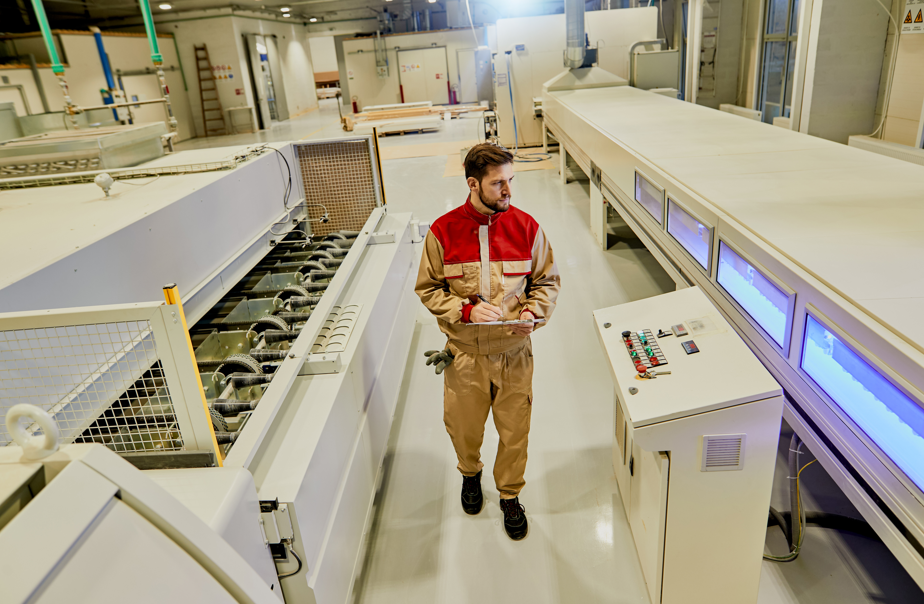
Basically, this is an industrial equipment which wraps products using thin plastic film, then applies heat so that film shrinks tightly around the item. This creates a seal that is secure and tamper resistant, and also gives good protection to the product. Such machines are used widely in manufacturing, retail, food processing and logistics industries, mainly because they combine fast packaging with strong product protection. When we look closely at how a shrink film wrapping machine works, where it gets used, and why so many industries depend on it, it becomes clear why this equipment has now become a standard part of packaging lines in most factories.
What Does a Shrink Film Wrapping Machine Actually Do?
The main function of this machine is quite simple to understand. First, product or group of products passes through film wrapping stage, where polyethylene or PVC film gets wrapped loosely around it. After that, wrapped item goes through heat tunnel or heating chamber, where controlled heat makes the film contract and take shape of product tightly.
Because of this process, following results can be seen:
- Product gets protected from dust, moisture and damage during handling
- Multiple units can be bundled together, making transport easier
- Shelf presentation improves due to clean and glossy finish
- Extra layer of tamper evidence is added, useful for retail and food items
Why Is Shrink Wrapping Preferred Over Other Packaging Methods?
Many industries prefer shrink wrapping because it gives good balance between cost and protection, something other methods find hard to achieve. Stretch wrapping only depends on tension, but shrink wrapping uses heat, which gives tighter and more uniform seal that fits closely to shape of product.
This method becomes very useful for products which are not perfectly uniform in shape, like multipacks, boxed sets or industrial parts with odd shapes. Also, final wrap usually looks more neat and polished, and this matters a lot for products that are placed directly on retail shelves.
What Types of Products Are Commonly Wrapped Using This Method?
This machine is used in many different sectors, some of them are mentioned below:
- Food and beverage items, such as bottled drinks, canned food and bakery products
- Retail multipacks, for example cosmetics, stationery and household items
- Industrial and hardware products that need protection while being stored or shipped
- Printed items like books, magazines and boxed media
- Bulk shipments at pallet level in warehouses
Because this equipment is so flexible in use, it has become common not only in small production units but also in large manufacturing setups.
How Does the Heating Process Affect Film Quality?
Temperature control is one of the most important factor deciding final quality of shrink wrap. If heat applied is too low, film will not shrink completely, and this leaves loose or wrinkled portions on product. But if heat is too high, film may become extremely tight, product shape can get distorted, or in some cases film may even melt at certain spots.
To avoid such problems, modern machines come with adjustable heating zones and conveyor speed settings, so that operator can adjust process depending on film type and product being wrapped. This kind of control is important for keeping consistency across large production batches, especially for industries following strict packaging standards.
Are There Different Types of Shrink Wrapping Systems?
Yes, there are, and mainly difference lies in how film gets applied and how heat is delivered to it. Some systems work in manual or semi automatic way, where film is wrapped by hand first, then passed into heat tunnel. Other systems are fully automatic, combining film feeding, sealing and shrinking into single continuous line.
Fully automatic systems are mostly chosen for high volume environments, since they reduce manual work and increase output speed. On other hand, semi automatic systems are usually preferred by smaller businesses which do not need very high speed output, but still want reliable and consistent wrapping result.
Does Product Shape or Size Affect Machine Selection?
Yes, shape and size of product does influence how wrapping system gets configured. For irregular shaped items, adjustable sealing bars or special film types may be required, otherwise gaps or uneven shrinkage can occur. For bigger or bulkier products, wider heat tunnel or slower conveyor speed might be needed, so film can shrink evenly across whole surface.
This is reason why many production units first study their product range before deciding on particular machine configuration, because system working fine for uniform boxes may not give same result for irregular or multi unit packs.
Conclusion
Shrink film wrapping machine still remains one of most practical solution for businesses who need packaging that is efficient, protective and visually clean at same time. Starting from food products to industrial components, this technology keeps adapting to different packaging needs by combining heat based shrinking with flexible film application methods. As industries continue giving importance to both protection and presentation of product, role of shrink film wrapping machine in modern packaging process keeps remaining significant.