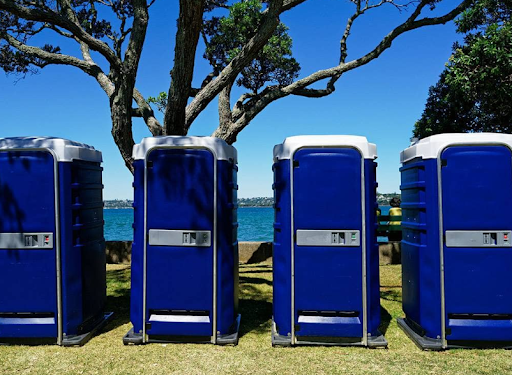
Where there is no toilet, but people still need one, this is where portable toilet hire in Sydney becomes useful. For a wedding happening in a park, or a construction site that has no plumbing yet, or even a backyard party with fifty guests, temporary toilets are filling this exact gap. Not a glamorous topic, but it is one of those things which quietly decides whether an event goes smooth or turns into a headache.
In this article, how the whole process works is explained, along with why it is needed in first place, and what one can expect while arranging such facilities for an event or site in the city.
Why Events and Sites Need Temporary Toilets?
Any place that does not have plumbing nearby will face this problem sooner or later. Some common examples are given below:
- Outdoor weddings, markets and festivals
- Construction and renovation sites
- Sporting events and fun runs
- Backyard parties and family gatherings
- Situations where usual toilets cannot be used
When proper toilet access is not there, things become uncomfortable very quickly, both for guests and for workers. This is one reason why councils many times set a minimum requirement, based on how many people are expected to attend.
How the Hiring Process Actually Works?
The process is not complicated at all. A person contacts a supplier, gives them date, location and rough number of people, and then gets told how many units will be required. After this, units get delivered and set up before the event starts, and later collected once event finishes or job is completed.
Most of the suppliers operating in Sydney are also flexible with timing, no matter if it is single day for a party or several months for a long construction project.
What Types of Units Are Available?
Not every portable toilet is same, and choosing the correct one depends on what the job actually demands:
- Basic standard units, for simple use
- Deluxe or VIP units, having extra features such as hand sanitiser station and interior lighting
- Accessible units, designed for wheelchair users
- Flushing units with hand basin, mostly used for weddings or corporate functions
Which one works best generally depends on occasion, expectation of guests, and also whether ground and access are suitable for delivery truck.
How Many Units an Event Actually Needs?
This is a point where many people get confused. It depends on number of guests, duration of event, and whether alcohol is being served, because drinking usually means more visits to toilet. A common rule followed in industry is one unit for every fifty to hundred guests, for few hours event, with extra units added if event runs longer or food and drink is involved.
For construction sites, calculation works differently. It is mostly based on number of workers present on site per shift, not on guest count.
How These Units Stay Clean?
Regular servicing is the simple answer for this, which includes waste removal, restocking of toilet paper and sanitiser, and cleaning from inside. For events running multiple days, or for long site hires, servicing gets scheduled beforehand according to expected usage. Units are also built with sealed tanks and proper ventilation, which helps in keeping bad smell away between two services.
Where These Facilities Are Usually Placed?
Placement of units is not done randomly. It depends on ground being flat and stable, how close it needs to be from people, and also whether truck can reach the spot for delivery or servicing. In most cases, this means:
- Ground that is flat, so units do not tip over
- Location away from food preparation area
- Distance close enough that guests or workers do not complain
- A spot where truck can access without blocking anything
For public events, sometimes council also has own rules, particularly regarding footpaths and emergency access points.
What Factors Affect the Price?
Few things decide the cost here: how many units are needed, for how long, what type is chosen, distance for delivery, and how frequently servicing is required. A single day hire for backyard event will obviously cost less compared to a multi week construction job that needs several units with regular servicing. Distance from depot can also increase delivery charges, depending on which part of Sydney the job is located.
Final Thoughts
Portable toilet hire in Sydney service is solving a problem which is easy to ignore until the moment it is actually needed. Getting correct number of units, choosing right type, and understanding how servicing works, all these things together decide whether event goes smoothly or becomes stressful. With little planning around guest count, site condition and hire duration, arranging toilets does not have to be a complicated task, no matter what kind of event or project it is.