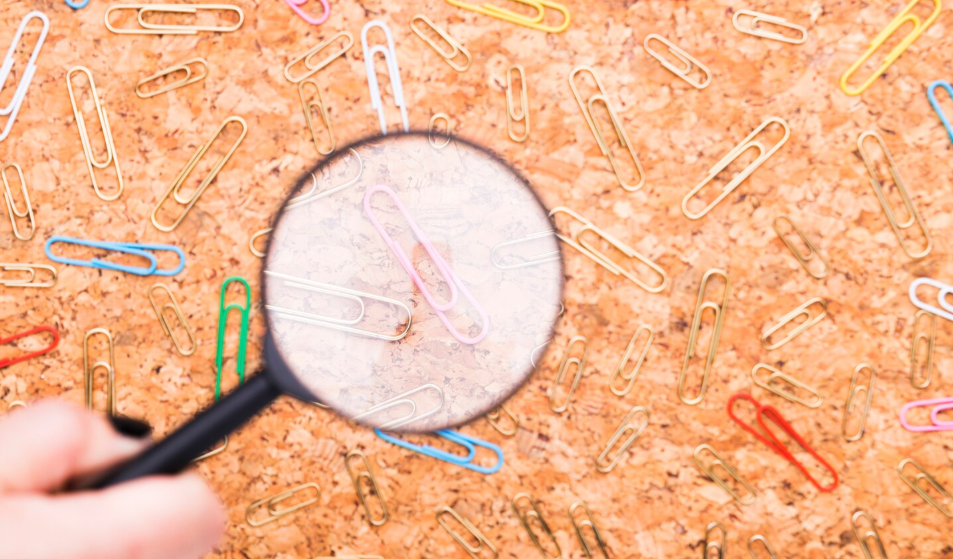
What Is a Magnifying Glass Used For?
A magnifying glass is one of the simplest yet most useful tools ever invented. If you have ever wondered what is a magnifying glass used for, the answer is much broader than simply making objects appear larger. It helps people read tiny text, inspect small objects, study nature, complete crafts, repair electronics, and even conduct scientific observations.
Today, magnifying glasses are used by students, hobbyists, jewelers, collectors, doctors, engineers, and many other professionals. Their ability to enlarge fine details makes them valuable in both everyday life and specialized industries.
In this guide, you’ll learn what is a magnifying glass used for, how it works, its different types, benefits, and practical tips for choosing the right one.
What Is a Magnifying Glass?
A magnifying glass is a handheld optical device with a convex lens. The curved lens bends light rays, making nearby objects appear larger than they actually are.
Unlike microscopes, magnifying glasses require no electricity and are easy to carry. They provide quick magnification whenever you need to examine something closely.
Main Components
| Part | Purpose |
| Convex Lens | Enlarges the object |
| Handle | Makes it easy to hold |
| Frame | Protects the lens |
| LED Light (Optional) | Improves visibility |
How Does a Magnifying Glass Work?
A magnifying glass works by bending light through its convex lens.
When an object is placed within the lens’s focal length, the lens creates a larger virtual image. This enlarged image helps your eyes see details that would otherwise be difficult to notice.
Simple Process
- Light reflects from the object.
- The convex lens bends the light.
- Your eyes receive the enlarged image.
- Small details become easier to observe.
This simple optical principle has remained unchanged for centuries.
What Is a Magnifying Glass Used For?
The answer to what a magnifying glass is used for depends on the situation. It has dozens of practical applications in homes, schools, laboratories, and workplaces.
Reading Small Print
One of the most common uses is reading tiny text.
Many people use magnifying glasses for:
- Books
- Newspapers
- Medicine labels
- Maps
- Contracts
- Receipts
- Phone manuals
Older adults especially benefit from magnifiers when reading fine print.
Examining Coins and Stamps
Collectors often inspect valuable collectibles using magnifying glasses.
They help reveal:
- Mint marks
- Printing errors
- Surface scratches
- Authentication details
- Rare features
Coin and stamp collectors rely on magnification to determine value.
Jewelry Inspection
Jewelry professionals frequently use magnifying glasses to inspect:
- Diamonds
- Gold
- Silver
- Gemstones
- Hallmarks
- Stone settings
Many jewelers use a specialized version called a jeweler’s loupe.
Science Education
Students use magnifying glasses during science lessons to observe:
- Leaves
- Flowers
- Rocks
- Soil
- Insects
- Minerals
They help children understand biology and nature through hands-on learning.
Nature Observation
Outdoor enthusiasts enjoy exploring nature with magnifying glasses.
They can observe:
- Butterfly wings
- Tree bark
- Spider webs
- Flower petals
- Tiny insects
- Moss
Nature becomes much more interesting when viewed up close.
Repairing Electronics
Electronic repair technicians inspect tiny components using magnifiers.
These include:
- Circuit boards
- Solder joints
- Connectors
- Chips
- Wires
Magnification reduces mistakes during repairs.
Arts and Crafts
Artists and hobbyists use magnifying glasses while working on detailed projects.
Examples include:
- Painting miniatures
- Needlework
- Embroidery
- Model building
- Dollhouses
- Paper crafts
The enlarged view improves accuracy.
Medical Applications
Healthcare professionals sometimes use magnification for close examinations.
Applications include:
- Skin inspection
- Wound observation
- Dental work
- Laboratory analysis
Specialized medical magnifiers often include bright LED lighting.
Watch Repair
Watchmakers work with extremely small mechanical parts.
A magnifying glass helps them inspect:
- Tiny gears
- Springs
- Screws
- Watch faces
- Batteries
Without magnification, repairing watches would be extremely difficult.
Identifying Plants
Gardeners and botanists use magnifiers to inspect:
- Plant diseases
- Leaf damage
- Insect eggs
- Mold
- Fungus
- Plant pests
Early detection helps prevent damage.
Common Types of Magnifying Glasses
Different magnifiers are designed for different tasks.
| Type | Best For |
| Handheld Magnifying Glass | Everyday reading |
| LED Magnifier | Low-light conditions |
| Stand Magnifier | Hands-free work |
| Folding Pocket Magnifier | Travel |
| Headband Magnifier | Crafts and repairs |
| Jeweler’s Loupe | Jewelry inspection |
| Digital Magnifier | Vision assistance |
Each type offers unique advantages depending on your needs.
Benefits of Using a Magnifying Glass
There are many reasons people continue using magnifying glasses despite modern digital technology.
Better Visibility
Tiny objects become much easier to examine.
Reduces Eye Strain
Reading small print becomes more comfortable.
Improves Accuracy
Professionals can work with greater precision.
Portable
Most magnifying glasses fit easily into a pocket or bag.
No Batteries Needed
Traditional models work anytime without charging.
Affordable
Magnifying glasses are inexpensive compared to microscopes.
Educational
Students gain a better understanding of science through observation.
Industries That Use Magnifying Glasses
Many professions depend on magnification.
Education
Teachers use them for classroom science activities.
Healthcare
Doctors and dentists inspect fine details.
Electronics
Technicians repair delicate components.
Jewelry
Gemologists inspect valuable stones.
Manufacturing
Workers perform quality inspections.
Printing
Experts check print quality and color accuracy.
Collectibles
Collectors authenticate valuable items.
How to Choose the Right Magnifying Glass
Not every magnifier is suitable for every task.
1. Select the Right Magnification
Common magnification levels include:
- 2x
- 3x
- 5x
- 10x
Higher magnification shows more detail but usually offers a smaller viewing area.
2. Consider Lens Size
Large lenses provide a wider field of view.
Small lenses are easier to carry.
3. Check Lens Material
Options include:
- Glass
- Acrylic
- Optical plastic
Glass lenses usually provide clearer images and resist scratches better.
4. Look for LED Lighting
Built-in lighting improves visibility in darker environments.
5. Think About Comfort
Choose a lightweight handle if you’ll use it for long periods.
Safety Tips When Using a Magnifying Glass
Although simple, magnifying glasses should be used carefully.
- Never look directly at the sun.
- Keep away from children when unattended.
- Store in a protective case.
- Clean with a microfiber cloth.
- Avoid dropping the lens.
- Do not leave it in direct sunlight, as concentrated light can become a fire hazard.
Interesting Facts About Magnifying Glasses
Here are some fascinating facts:
- The first magnifying lenses date back thousands of years.
- Convex lenses are the key to magnification.
- Some magnifiers can enlarge objects over 20 times.
- Modern digital magnifiers display enlarged images on screens.
- Magnifying glasses helped inspire the invention of microscopes and telescopes.
Everyday Situations Where a Magnifying Glass Helps
Many people use magnifiers during routine activities.
Examples include:
- Reading prescription bottles
- Solving crossword puzzles
- Inspecting photographs
- Sewing clothing
- Checking insects in the garden
- Reading restaurant menus
- Repairing eyeglasses
- Viewing collectibles
These everyday uses show why magnifying glasses remain practical tools.
Magnifying Glass vs Microscope
| Feature | Magnifying Glass | Microscope |
| Magnification | Low | Very High |
| Portability | High | Low |
| Cost | Affordable | Expensive |
| Ease of Use | Very Easy | Requires Setup |
| Best For | Everyday tasks | Scientific research |
Maintenance Tips
Proper care extends the life of your magnifying glass.
Clean Regularly
Use a microfiber cloth to remove fingerprints.
Store Properly
Keep it in a protective pouch.
Avoid Chemicals
Harsh cleaners may damage coatings.
Prevent Scratches
Never place the lens face down.
Inspect Often
Check for cracks or loose frames before use.
Frequently Asked Questions (FAQs)
What is a magnifying glass used for?
A magnifying glass is used to enlarge small objects or text, making details easier to see for reading, inspection, hobbies, repairs, and scientific observation.
Can a magnifying glass improve reading?
Yes. It enlarges small text, making books, labels, and documents easier to read while reducing eye strain.
What magnification is best for everyday use?
Most people find 2x to 5x magnification suitable for reading and general inspection.
Is a magnifying glass the same as a microscope?
No. A magnifying glass provides low magnification for everyday tasks, while a microscope offers much higher magnification for scientific work.
Can children safely use magnifying glasses?
Yes, under adult supervision. Children should never use a magnifying glass to look at the sun or leave it where sunlight can focus through the lens.
Conclusion
Understanding what is a magnifying glass used for helps you appreciate just how versatile this simple optical tool is. From reading tiny prints and inspecting jewelry to exploring nature and repairing electronics, a magnifying glass makes everyday tasks easier by revealing details that are difficult to see with the naked eye.
Whether you’re a student, hobbyist, professional, or simply someone who enjoys observing the world more closely, a quality magnifying glass is an affordable and practical tool to keep nearby. By choosing the right type, using it safely, and maintaining it properly, you can enjoy clear magnification for years to come.