Introduction
The county integrated development plan is a strategic roadmap, which determines the distribution of resources, provision of services and enhancement of the well being of the communities by the local governments. It integrates economic growth, infrastructure, environment and social services into a single synchronized structure. A county integrated development plan makes development inclusive by linking priorities and budgets so as to make development balanced.
The county integrated development plan by local authorities is a worldwide strategy of achieving sustainable development and good governance. The strategy assists in making sure that the counties plan projects in various sectors, minimize duplication, and maximize impact. A well executed county integrated development plan enables communities, enhances accountability and provides long term resilience.
What Is a County Integrated Development Plan.
A county integrated development plan is an all rounded document that provides a county vision, priorities and development objectives within a specified time frame. It incorporates economic, social, environmental and institutional strategies as one step to action. This makes everything in the organization and the stakeholders to be oriented towards collective goals.
The county integrated development plan is also a legal and a policy reference to the budgeting and project implementation. It links long term vision and annual action plans and funding decisions. Through directional guidance, it assists the counties to offer effective and fair services.
The Importance of the County Integrated Development Plan.
A county integrated development plan is important since it helps in the equal distribution of resources among communities. Development would end up being uneven without planning. The plan is such that infrastructure, health, education and economic initiatives are able to contribute to inclusive growth.
It also enhances governance accountability and transparency. The budgets, progress and priorities in the county integrated development plan can be tracked by the citizens. This transparency fosters confidence and makes people engage in local decision making.
Basic Building Blocks of the County Integrated Development Plan.
Generally, the county integrated development plan will entail vision statement, situational analysis, strategic objectives and implementation framework. These elements explain priorities of development, which are grounded on data and societal requirements. They make sure that the plan indicates real challenges and opportunities.
The other important element is the monitoring and evaluation framework. This comprises performance measures and reporting systems to monitor the progress. The resource allocation and sustainability are also guided by the financial planning and risk management sections.
Introduction to Develop a County Integrated Development Plan.
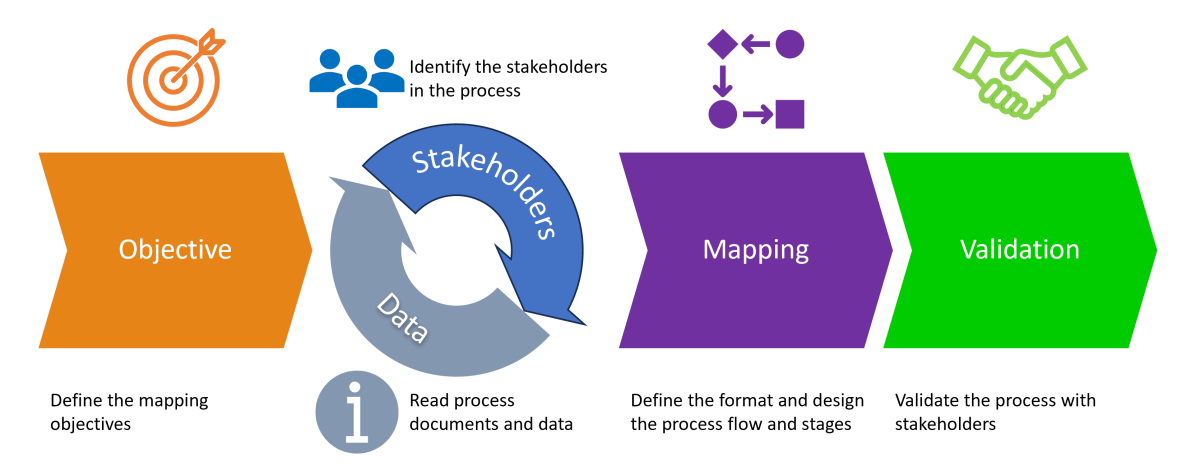
Formulating an integrated development plan of a county starts with situational analysis. Governments evaluate the population, economy, infrastructure and social status. This is a practical solution to needs by virtue of this evidence.
Then, stakeholders work together in developing vision, goals and projects. It is followed by drafting, validation and approval on the basis of public participation and legislation. This is followed by implementation planning which converts strategy into funded activities and plans.
Stakeholder Involvement in County Integrated Development Plan.
The key to a successful county integrated development plan is stakeholder engagement. The perspectives and expertise are added by the citizens, businesses, civil society, and government agencies. Inclusive participation will have the priorities representing the community aspirations.
Ownership and sustainability is also enhanced through engagement. When individuals are involved in the county integratd development plan, they facilitate implementation and monitoring. This democratic governance and trust is enhanced by this collaborative mode.
The County Integrated Development Plan Implementation Problems.
The implementation of county integratd development plans is affected by financial, technical, and institutional constraints that are usually experienced by counties. Low budgets and capacity constraints may slow down projects and impact. There can also be complicated coordination between departments.
Continuity may be derailed by political transitions and changes in priorities. The county integratd development plan can go off track without steady leadership and monitoring. These issues need effective governing structures and alliances.

More insights → Kompama
Monitoring and Evaluation at County Integrated Development Plan.
Monitoring and evaluation make sure that integrated development plan at the county has accomplished desired outcomes. Performance measures monitor the development of infrastructural, service and economic performance. Evidence based decision making is facilitated by regular reporting.
Lessons and improvements are also determined through evaluation. With the help of outcomes, counties can improve strategies and resource allocation. The plan of integration of development within the county is sustained by continuous learning.
Future of County Integrated Development Plan.
Digital innovation and sustainability are the future of the county integratd development plan. Forecasting and management of resources is improved by data driven planning tools. Technology enhances transparency, involvement and tracking.
The priorities of the future will be based on climate resilience and inclusive growth. The counties should make environmental conservation and social equality part of development planning. The plan of integrated development of the county today will coordinate the local efforts with global sustainability targets.
Conclusion
The coordinated local development and responsible governance still depends on a county integrated development plan. It brings about balanced development in sectors by aligning the priorities, budgets, and needs of communities. Counties that embrace effective county integratd development plans are able to provide services efficiently and transparently.
With future prospects, the national integrated development plan will keep on adapting to the changes in technology, sustainability needs and expectations of the citizens. Success will be identified by successful stakeholder engagement, monitoring and responsive management. Finally, a properly planned county integrated development plan equips the community, enhances institutions and contributes towards inclusive growth that will be beneficial to the current and future generations.
FAQs
What is a county integrated development plan?
The county integratd development plan is a strategy that helps the local government to plan its priorities, budgeting and development projects over a few years.
Why is an integrated development plan of a county significant?
A county integratd development plan is an assurance that there is good coordination of development, even distribution of resources and good governance in a county.
Who is involved in a county integrated development plan?
A county integratd development plan is a process that involves citizens, government agencies, businesses and civil society groups of people.
Frequency of updating a county integrated development plan?
The majority of counties also circulate or revise a county integratd development plan on a regular basis on each planning cycle, which usually is every few years.
What is the implementation of the county integrated development plan?
This is implemented with annual budgets, departmental projects, monitoring systems and the collaboration of stakeholders.